


The Two-Faced Enigma: When Football Alternates Between Dominance and Decline Within a Match
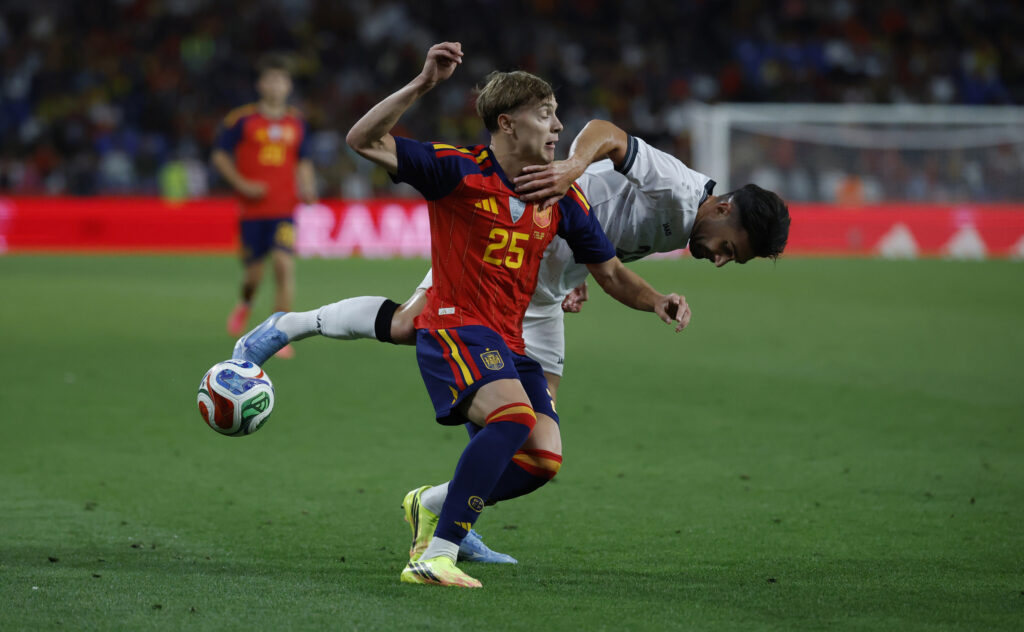
Modern football analysis reveals a growing trend: teams capable of high-level performance for one half, before collapsing or losing their way in the next. This often-underestimated phenomenon questions tactical strategies and players’ mental preparation, raising crucial questions for coaches. How can these extreme variations in level be explained and what are their repercussions on results and league dynamics?
Football is a sport of emotions and changing dynamics. However, the disparity observed in the performance of the same team within a match constitutes a recurring and fascinating issue for analysts. A frequent scenario emerges: a dominant first half, incisive actions, apparent tactical mastery, followed by a second half where intensity drops, errors multiply, and the opponent gains the upper hand. This contrast “between a serious period and a lost one,” as the press describes it, is more than just a match anecdote; it is symptomatic of profound challenges.
Several factors can explain this volatility. Physically, the intensity of the modern calendar and the prevalence of high-energy expenditure matches can lead to premature fatigue. Optimal Physical Preparation is supposed to prevent these dips, but competitive pressure and consecutive fixtures put bodies to the test. Substitutions, intended to inject fresh blood, are not always enough to reverse the trend if fatigue is collective or mental.
From a Football Tactics perspective, a coach might opt for an aggressive approach in the first half, aiming to stifle the opponent or score quickly, then try to manage their lead. However, this management can sometimes turn into passivity, allowing the opposition to regain confidence and adjust their strategy. The ability to adapt in real-time, both from the staff and the players on the field, then becomes paramount. The inability to readjust the game plan against a revitalized opponent is often the key to these turnarounds.
The mental and Sports Psychology dimension is also a fundamental pillar. A comfortable lead can lead to psychological relaxation, a drop in concentration that opens gaps. Conversely, the trailing team, having nothing left to lose, can find unexpected resources, fueled by the desire not to give up. A coach’s ability to maintain their squad’s concentration and instill a “killer” mentality for 90 minutes is a delicate art of Team Management. Teams like the Real Madrid or Bayern Munich are often cited for their mental consistency, their refusal to accept defeat even in difficult moments, which allows them to overcome these dips.
The consequences of these inconsistent performances are multiple. They can cost crucial league points, eliminate teams from cups, or undermine team confidence. For coaches, understanding and correcting these variations is a constant challenge. Post-match Match Analysis then becomes critically important, to precisely identify moments of breakdown, physical, tactical, or psychological causes, and implement solutions. Beyond formations and individual talents, the ability to maintain collective cohesion and intensity from the opening whistle to the final whistle remains one of the best-kept secrets of teams that dominate their leagues and international competitions.
Why do some teams lose their level during a match?
Mid-match slumps can be attributed to several factors: accumulated physical fatigue, uncountered tactical adjustments by the opponent, psychological relaxation after taking the lead, or a lack of squad depth to maintain intensity.
How can coaches prevent this inconsistency?
Coaches strive to prevent inconsistency through individualized physical preparation, in-depth tactical training for live adaptation, work on players’ mentality and psychological resilience, as well as judicious management of substitutions and game phases.
 Expert
Moussa JDF
Rédacteur en chef et analyste de données sportives. Passionné par les tactiques et le mercato, je décortique l'actualité des grands championnats européens en temps réel pour vous offrir une information rapide, fiable et sans filtre.